
Spirit Airlines has long been a subject of debate among investors and stock traders. With its low-cost model, Spirit Airlines has revolutionized the airline industry. However, despite its undeniable success, investors are still unsure whether Spirit Airlines stock (SAVE) is a good long-term investment or a risky bet. In this blog post, we will take an in-depth look at Spirit Airlines stock, provide an outlook for its future, and answer the key questions every potential investor should know before making any decisions.
1. Spirit Airlines Overview: A Quick Look at the Business Model
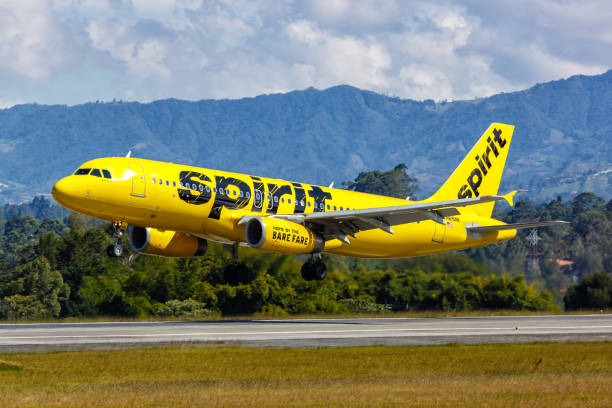
Spirit Airlines (SAVE) is known for its ultra-low-cost business model, offering budget-friendly flights with no frills. Founded in 1980, the airline has carved a niche in the U.S. travel market by providing affordable flights without the amenities seen in larger airlines. Spirit’s focus on low ticket prices has led to its success among price-conscious travelers. However, it also comes with some criticisms, such as smaller seats, extra fees, and limited customer service. This model has allowed Spirit to keep operating costs low and pass on savings to customers.
2. Spirit Airlines Stock Performance: Is It a Good Investment?

When looking at the performance of Spirit Airlines stock (SAVE), it’s crucial to examine its historical performance and stock price trends. Over the past few years, Spirit’s stock has experienced ups and downs due to the fluctuating nature of the airline industry, which is highly sensitive to factors like fuel prices, competition, and macroeconomic conditions. In 2021, Spirit Airlines saw a sharp increase in stock price as the travel industry began recovering from the pandemic, with more people booking flights as vaccines rolled out.
When looking at the performance of Spirit Airlines stock (SAVE), it’s crucial to examine its historical performance and stock price trends. Over the past few years, Spirit’s stock has experienced ups and downs due to the fluctuating nature of the airline industry, which is highly sensitive to factors like fuel prices, competition, and macroeconomic conditions. In 2021, Spirit Airlines saw a sharp increase in stock price as the travel industry began recovering from the pandemic, with more people booking flights as vaccines rolled out.
However, Spirit’s stock performance hasn’t been consistent. In recent months, the stock price has faced challenges as inflation and fuel costs rise, while other low-cost airlines continue to expand their market share. Despite these challenges, Spirit’s ability to maintain its low-cost model and expand its network remains key to its future prospects.
3. Factors Influencing Spirit Airlines Stock Price

Several factors play a role in the fluctuations of Spirit Airlines stock. Some of the most significant include:
Fuel Prices and Operational Costs
As with all airlines, Spirit Airlines is highly sensitive to fluctuations in fuel prices. When fuel prices rise, airlines face increased operational costs, which can negatively impact profit margins and, by extension, stock prices. Spirit’s ultra-low-cost model, however, helps mitigate some of these challenges, as the airline can more easily adjust its pricing structure.
Competition in the Airline Industry
The competitive landscape in the airline industry also plays a crucial role in shaping Spirit’s stock. Spirit Airlines competes with both low-cost carriers like Southwest and larger legacy airlines such as American Airlines. New entrants into the market, especially in the post-pandemic recovery phase, could exert additional pressure on Spirit’s profitability and stock value.
Economic Conditions and Consumer Spending
General economic conditions, including inflation, unemployment rates, and consumer confidence, directly affect consumer spending on travel. If the economy slows down and people cut back on discretionary spending, airlines like Spirit may experience a drop in demand for flights, affecting ticket sales and stock performance.
Macroeconomic Events and Uncertainty
The broader economic landscape, including factors like geopolitical instability, pandemics, and natural disasters, can also influence Spirit Airlines’ stock price. For example, the COVID-19 pandemic had a profound impact on the airline industry, with many airlines, including Spirit, seeing sharp declines in revenue.
4. The Forecast for Spirit Airlines Stock in 2025 and Beyond

Looking ahead, the outlook for Spirit Airlines stock depends on several variables. If Spirit can maintain its market share while keeping costs low, there’s potential for growth, especially as air travel continues to recover. However, if inflation and fuel prices remain high, or if competition intensifies, the airline’s profitability could take a hit.
Market Recovery and Growth
With the post-pandemic recovery, airlines are seeing a resurgence in demand, and Spirit is no exception. The airline’s ability to capitalize on this trend by expanding its network and leveraging its low-cost structure will be crucial. Additionally, Spirit Airlines has been focused on enhancing its customer experience and modernizing its fleet, which could further boost its stock.
Challenges and Risks
The biggest challenge for Spirit Airlines in the coming years is the volatility of fuel prices and the ever-evolving competitive landscape. If Spirit cannot effectively manage its operational costs, especially during times of rising fuel prices, its stock may struggle. Furthermore, the company must continue to innovate and provide value to customers while maintaining its low-cost approach.
Stock Forecast for 2025:
Based on these factors, experts predict that Spirit Airlines stock could experience moderate growth over the next few years. While it may not achieve the explosive growth seen by other airlines in the past, its commitment to its low-cost model and market expansion could result in steady, long-term growth.
5. How Spirit Airlines Compares to Other Airline Stocks
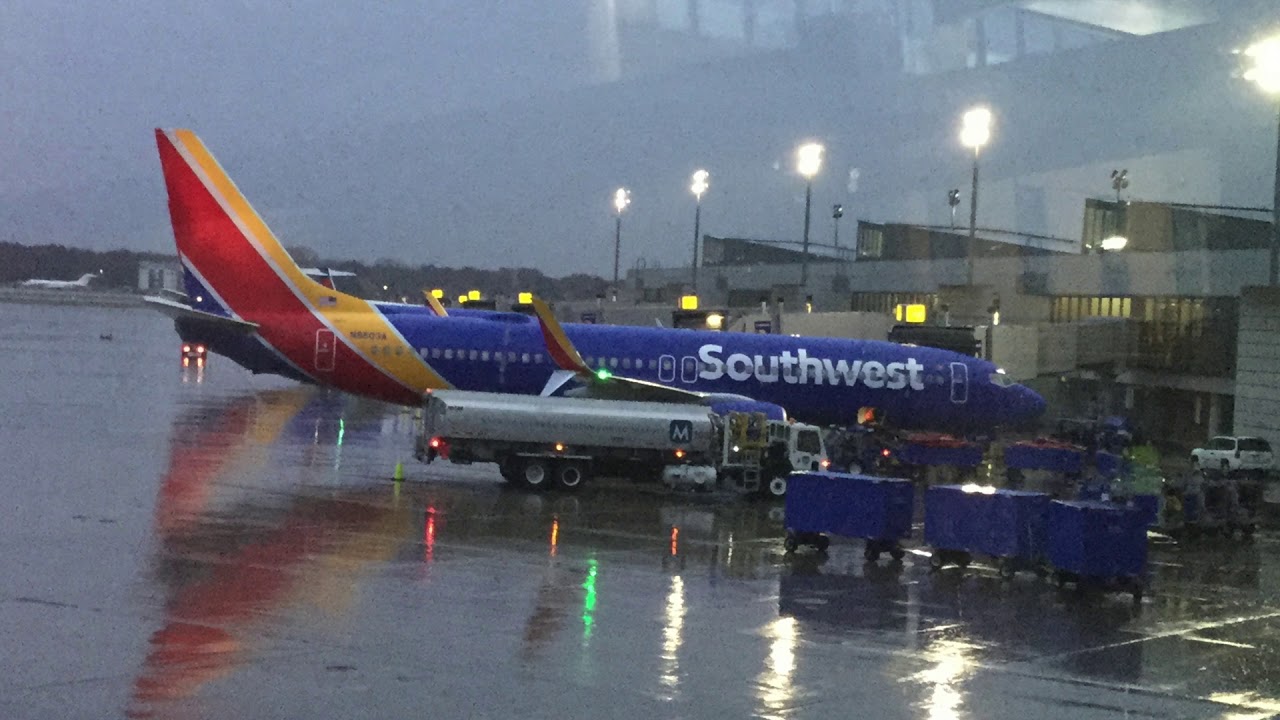
While Spirit Airlines offers significant investment potential, it is important to compare its stock performance to other major airline stocks. For example, Southwest Airlines, known for its customer loyalty and strong brand, has a more stable stock price but tends to have higher operating costs. Delta Airlines, on the other hand, has been investing heavily in technology and customer service but faces a higher cost structure.
Spirit Airlines vs Southwest
Southwest is another low-cost carrier, but it has a more customer-friendly approach, offering free checked bags and no change fees. Spirit’s pricing strategy is focused more on low fares and add-on services. Investors may choose between these two based on their preference for a more budget-friendly model versus a value-added service model.
Spirit Airlines vs Delta
Delta, as a full-service carrier, offers a more premium service but comes with higher operational costs. Spirit’s stock is generally more volatile, but its lower price point offers more risk-reward potential for investors seeking higher returns in the long run.
6. Should You Invest in Spirit Airlines Stock? A Comprehensive Review
So, should you invest in Spirit Airlines stock? If you’re a risk-averse investor seeking stable returns, Spirit may not be the right choice for you, given the volatility and market risks associated with the airline industry. However, if you’re a more aggressive investor looking for growth in a recovering market, Spirit could be a valuable addition to your portfolio, especially given its low-cost model and expansion potential.
In conclusion, Spirit Airlines stock has significant growth potential but comes with risks. Weighing these factors will help you make an informed decision about whether or not Spirit Airlines (SAVE) is the right investment for you.
Conclusion

In conclusion, while Spirit Airlines stock has its challenges, it offers potential for growth, especially for investors with a higher tolerance for risk. As air travel continues to recover, Spirit’s low-cost model may continue to attract budget-conscious travelers, which could fuel its stock growth in the years to come. However, it’s important to keep a close eye on factors like fuel prices and competition before making any investment decisions.
FightTravlo is availble for anytime for your help you can easily buy any ticket
FAQs About Spirit Airlines Stock
1. Is Spirit Airlines stock a good buy right now?
Spirit Airlines stock is a good buy for investors who are comfortable with the risks associated with the airline industry and are looking for potential growth. However, it’s important to stay updated on macroeconomic trends and fuel prices.
2. How has Spirit Airlines stock performed over the last year?
Spirit’s stock has shown volatility in the past year, with gains followed by dips as the airline industry continues to recover from the COVID-19 pandemic. Keep an eye on quarterly earnings reports and market conditions for the latest performance updates.
3. What are the risks of investing in Spirit Airlines stock?
The main risks include volatility in fuel prices, competition from other low-cost carriers, and the overall uncertainty in the global economy, which can affect consumer demand for travel.
4. Will Spirit Airlines expand its route network in 2025?
Yes, Spirit is expected to continue expanding its network as travel demand recovers. The airline has been adding new routes and expanding into new markets, which could help drive growth.
5. What is the forecast for Spirit Airlines stock in the next 5 years?
The forecast for Spirit Airlines stock is cautiously optimistic, with moderate growth expected as the airline continues to expand its footprint and navigate challenges such as rising fuel prices and competition.